
User-Centered Design: How Function Enhances Emotional Appeal
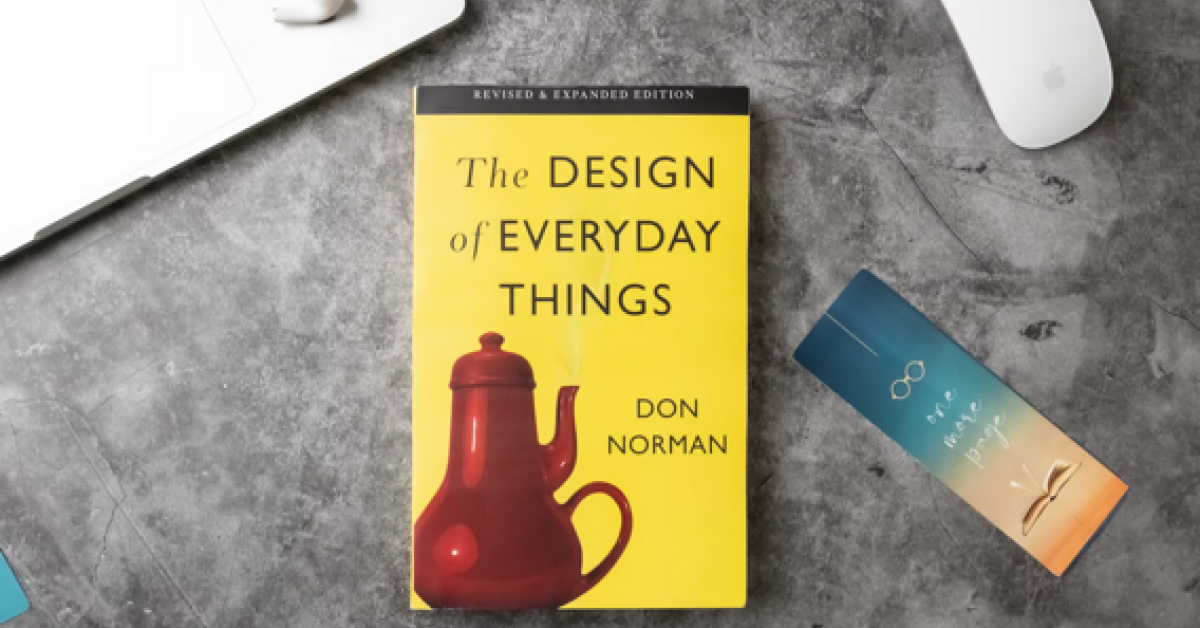
The Design of Everyday Things is a best-selling book by cognitive scientist and usability engineer Donald Norman about how design serves as the communication between object and user, and how to optimize that conduit of communication in order to make the e-Mahmudul Hasan-Unsplash.com
User-Centered Design: How Function Enhances Emotional Appeal
Design begins with people. Every successful product is born not just from creativity but from understanding how humans feel, think, and behave. In the digital era, user-centered design has become more than a method. It is the emotional bridge between function and experience.
When a product “feels right,” it is rarely by accident. Behind that smooth interface, there is careful thought about usability, accessibility, and emotion. Functionality does not only serve purpose—it creates trust, and trust creates attachment.
The Rise of User-Centered Thinking
In the early days of industrial design, products were created to serve mechanical efficiency. A chair was made to support the body, a tool was made to perform a task. Today, design considers something deeper: how does it make you feel when you use it?
Companies like Apple, Dyson, and IKEA turned usability into an art form. They understood that people don’t buy objects—they buy experiences. A user-centered approach reframes design from object-making to life-enhancing.
Why Function Matters More Than Decoration
Many confuse aesthetics with decoration. True beauty in design lies in purpose. A functional product can still be beautiful because its purpose feels natural and effortless. This alignment creates what designers call “emotional resonance.”
- Function reduces friction, which enhances satisfaction.
- Clear usability creates emotional comfort.
- Consistency builds subconscious trust in users.
When function becomes intuitive, users no longer think about how to use the product—they simply enjoy the experience.
The Emotional Side of Functionality
People form emotional bonds with products that make their lives easier or more meaningful. Consider a smartphone that feels comfortable in your hand, responds instantly to touch, and makes communication simple. The functionality itself creates an emotional connection because it fulfills a human need effortlessly.
Emotions guide behavior. When users feel empowered, safe, or delighted by a design, they are more likely to engage, return, and recommend. Functionality thus becomes the foundation for emotional loyalty.
Research as the Heart of Empathy
User-centered design relies on research to understand real human needs. Designers observe, interview, and test how people interact with products. This data-driven empathy ensures that every design decision serves a genuine purpose.
- Define the user problem clearly.
- Test multiple functional prototypes.
- Listen and iterate based on real feedback.
Empathy turns data into insight. The more accurately designers can map user emotions, the better they can align function with desire.
Beyond Usability: Designing for Feeling
Function is the skeleton of design, but emotion is the flesh that gives it life. A product that works perfectly but feels cold fails to connect. Designers increasingly focus on micro-interactions—the small animations, sounds, or tactile responses that make digital products feel human.
These moments may seem minor, but they transform routine actions into meaningful experiences. A satisfying click, a subtle vibration, or a gentle transition can convey care and attention, deepening the user’s emotional connection.
The Future of Functional Emotion
As technology evolves, so does the relationship between humans and function. The future of design lies in experiences that anticipate needs, adapt to context, and express empathy through usability. Artificial intelligence and adaptive interfaces are leading this evolution.
In a world overwhelmed by choices, people gravitate toward designs that make them feel understood. Functionality, when centered on human needs, becomes a language of emotion—a quiet dialogue between designer and user that says, “I see you. I understand you.”