
Design Mistakes Too Common for Professionals to Ignore
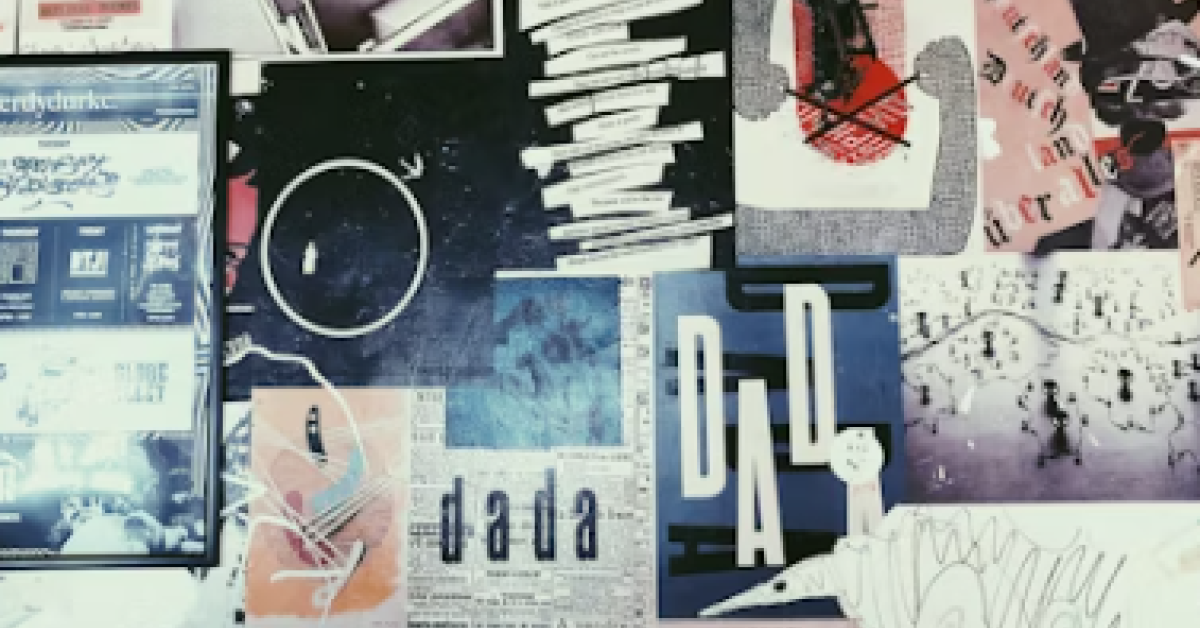
Some cool German bar we stumbled upon in Melbourne-Mary Grace Hudson-https://unsplash.com/
Design Mistakes Too Common for Professionals to Ignore
Even the most experienced designers occasionally fall into traps that quietly erode the quality of their work. In an industry where innovation moves faster than reflection, familiar habits can become invisible errors. What separates outstanding design from average execution often lies not in brilliance, but in the ability to avoid these subtle mistakes that sneak into even professional portfolios.
The Perfection Trap
Many designers strive for visual perfection, polishing every corner until the concept loses its soul. Perfectionism can dilute authenticity — the rough edges that make a design human. Audiences don’t seek flawlessness; they seek relatability. The pursuit of perfection can lead to sterile experiences where personality fades behind the pixels.
Ignoring the Story Behind the Interface
Every design should tell a story — of purpose, of identity, of user journey. Too often, designers focus on aesthetics while neglecting narrative flow. A product that looks beautiful but feels disconnected will fail to engage. The story should be visible in layout transitions, tone, and user rhythm.
Why Context Matters
Design decisions made in isolation rarely succeed. A layout that shines on one screen may break coherence across another platform. Professionals sometimes forget that users experience design as a whole environment, not a single frame. Context defines clarity.
Color Chaos and Emotional Misfires
Color can unify or divide. One of the most common professional oversights is color imbalance — using tones that clash emotionally with the intended message. A health app drenched in aggressive reds or a law firm’s site glowing in neon tones can subconsciously repel users.
- Overuse of bright contrasts without hierarchy
- Inconsistent palette across brand materials
- Lack of accessibility for color-blind users
- Ignoring cultural color interpretations
The Neglect of White Space
White space isn’t wasted space; it’s the breathing room that gives design its rhythm. Overcrowded compositions signal desperation for attention. Professional designers sometimes underestimate silence — yet silence in design speaks clarity and sophistication.
Typography Without Intention
Fonts communicate emotion before words do. Choosing typography for trend rather than function remains a persistent professional flaw. Overly decorative fonts reduce legibility, while poor spacing disrupts reading flow. Typography, when intentional, becomes the invisible guide of user experience.
Designing for Designers, Not Users
Another subtle but damaging error is creating for the admiration of peers rather than the comfort of users. Many professionals subconsciously design to impress, filling layouts with cleverness that confuses real audiences. A truly professional designer builds empathy before aesthetics — solving user problems first, then making it beautiful.
Remember the Human
Behind every click, swipe, and scroll, there’s a person interpreting meaning. Professionals who forget this design for screens, not souls. Good design doesn’t show off; it connects. Every decision — from spacing to motion — should quietly serve that human connection.
The Unseen Cost of Familiar Errors
While these mistakes might seem small, their collective impact defines the line between good and great. Over time, they erode trust, reduce engagement, and make users feel unseen. Awareness is not about avoiding failure but refining perception — seeing what others miss, and designing with purpose once again.