
Design Aesthetics: The Hidden Science Behind Beauty
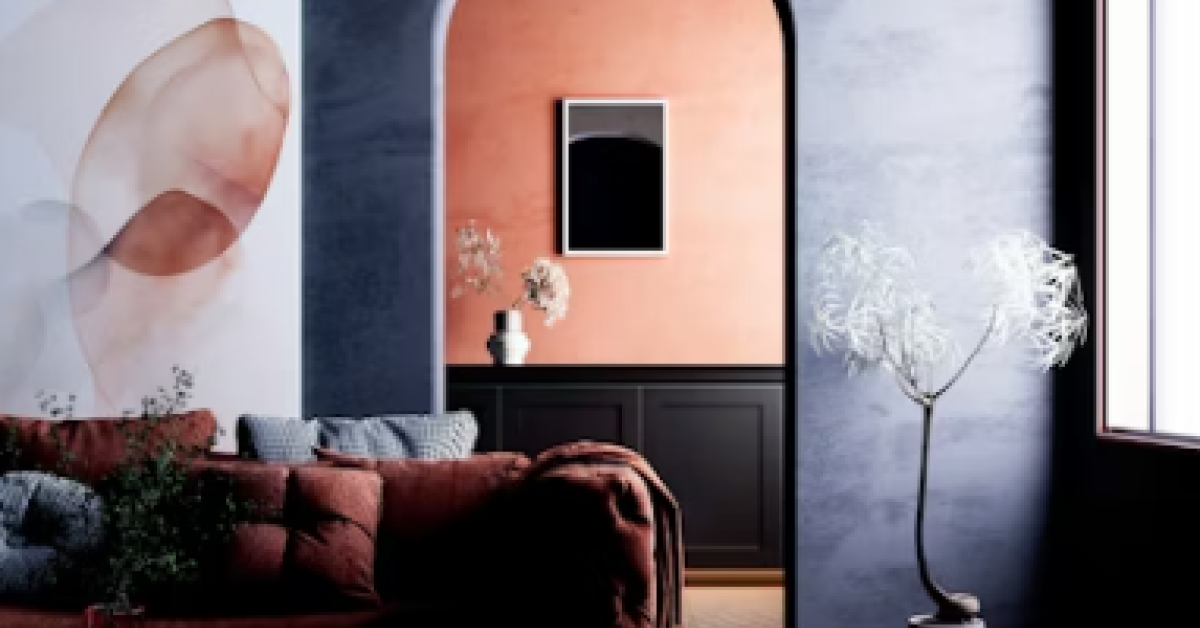
Modern Minimal Interior with Warm Contrast. "A modern interior visualization that blends minimalism with warmth. The contrast between soft earthy tones and contemporary textures creates a calm yet sophisticated atmosphere. Rendered with 3ds Max and Corona- SUHER DAA-unsplash.com
Design Aesthetics: The Hidden Science Behind Beauty
There’s a quiet moment that happens before you realize something is beautiful. A flicker of emotion. A breath that catches. A stillness that feels almost sacred. It’s not logic that moves you — it’s something older, deeper, and strangely universal.
Designers have long chased this fleeting moment — that instant connection between form and feeling. We call it *aesthetics*, yet the word itself barely captures its depth. Beneath every curve, color, and composition lies a mysterious language — one that speaks not to the mind, but to the soul.
The Mathematics of Emotion
Centuries before digital screens and branding manuals, philosophers pondered why certain things simply feel “right.” The Greeks believed beauty followed a divine order — a ratio so perfect that it echoed through architecture, art, and even human faces. Today, we call it the Golden Ratio, a mathematical pattern found in the spiral of seashells and the petals of flowers.
Scientists now understand what the ancients only intuited: our brains are wired to recognize harmony. When we see proportions that align with natural patterns, neurons fire in satisfaction. It’s not just preference — it’s biology. Beauty, it turns out, might be our mind recognizing the logic of the universe.
When Light Paints Emotion
Walk into a dimly lit café with warm hues and gentle shadows. Without a word spoken, you already feel comforted. That’s design in its most human form — using light, color, and contrast to sculpt emotion.
Color psychology reveals that our responses aren’t random. Blue calms. Red energizes. Green restores balance. These effects trace back to survival instincts — the cool safety of shade, the warning of fire, the abundance of fertile land. Even in a digital interface, these ancient cues still guide how we feel.
Symmetry, Asymmetry, and the Dance of Balance
Nature rarely creates perfect symmetry. Leaves differ, faces are uneven, mountains tilt. Yet somehow, it all feels balanced. Designers who understand this subtlety — the play between order and chaos — tap into the essence of beauty itself.
Too much order becomes sterile. Too much randomness feels disorienting. True aesthetic power lies in the tension between the two. It’s the asymmetrical smile, the slightly off-centered photograph, the handwritten imperfection that makes a brand human.
The Invisible Thread: Emotion and Memory
In a laboratory at MIT, researchers once mapped how the brain reacts to beauty. They found that the same region that processes love and reward — the orbitofrontal cortex — lights up when we encounter something aesthetically pleasing. Beauty, then, isn’t just seen. It’s felt, remembered, and tied to who we are.
That’s why certain logos, sounds, or even textures trigger nostalgia. The scratch of a vinyl record. The curve of an old typeface. The soft glow of sepia light. Design aesthetics quietly anchor emotion to memory — and memory to meaning.
Beyond the Surface: The Ethics of Beauty
Yet beauty isn’t always innocent. It persuades, seduces, and sometimes manipulates. In advertising, aesthetic appeal can turn desire into consumption. That’s why modern creators must wield beauty with conscience — as a tool for clarity, not deception.
World-renowned designer Stefan Sagmeister once said, “Beauty is a function.” It doesn’t just decorate; it communicates. A beautiful interface helps you trust. A balanced layout helps you breathe. A thoughtful design helps you belong.
The Alchemy of Aesthetic Design
So what makes design truly beautiful? It’s not just symmetry or color theory — it’s intention. Beauty arises when purpose meets presence. When a creator pours honesty into craft. When a design listens before it speaks.
- Form follows feeling: Start with emotion, not just geometry.
- Harmony is human: Seek rhythm and proportion, but let imperfection live.
- Design for the senses: Beauty isn’t only seen — it’s heard, touched, and felt.
- Meaning before polish: Aesthetic power fades without purpose.
The Magic Beneath the Measurable
There will always be parts of beauty science cannot explain. Why a shadow across marble feels poetic. Why a melody matches a color in our mind. Why some things — no matter how many times we see them — still take our breath away.
Perhaps the secret is this: beauty is the language our hearts speak when words fall short. Design is simply the way we learn to listen.
And maybe that’s the hidden science behind it all —
That beauty isn’t designed at all. It’s discovered.