
Product Design Ideas That Instantly Attract Customers – Proven By Real Data
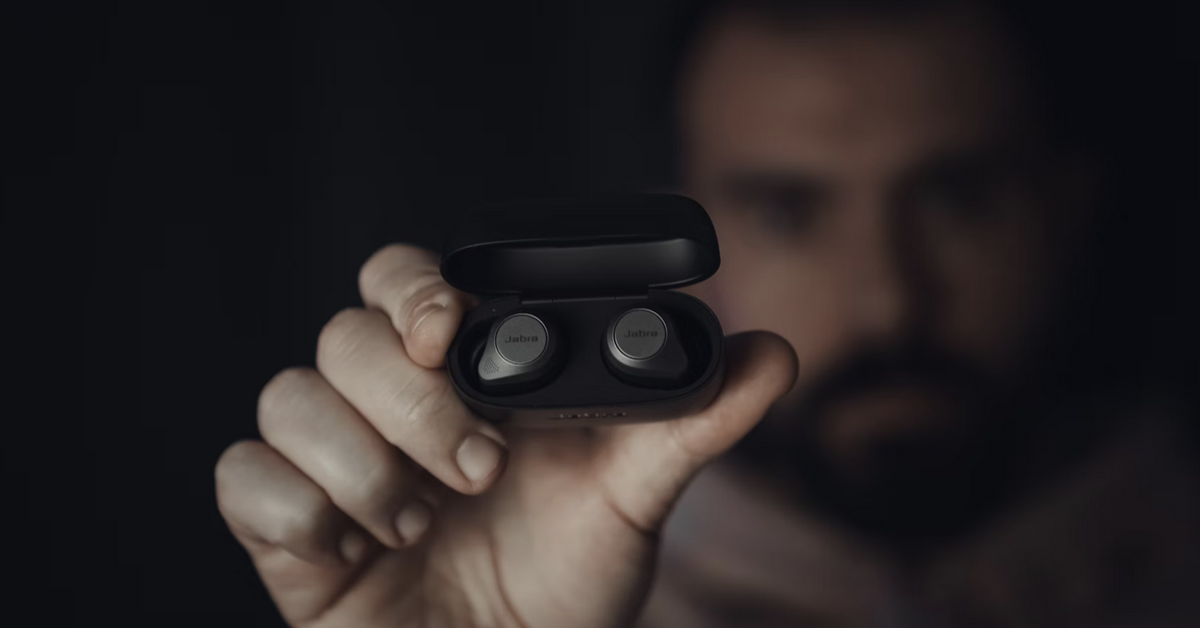
Close-up of male hand holding Jabra Elite 85t-Onur Binary-Unsplash.com
Product Design Ideas That Instantly Attract Customers – Proven By Real Data
Design is more than just aesthetics—it is the silent salesman that communicates value before words are even spoken. Across industries, brands are discovering how subtle design decisions shape customer behavior. From the curve of a bottle to the shade of a digital button, real-world data now confirms that design is a decisive factor in purchase intent. This article explores tested strategies in product and digital design, supported by measurable insights from market behavior.
Designing For Attention: What Real Numbers Reveal
Customer attention is a scarce commodity. Data from multiple UX research studies shows that users make subconscious judgments within the first 3 seconds of visual exposure. Successful product designers treat this window as their battlefield for impact. The balance between novelty and familiarity becomes the silent key—too strange, and users reject it; too familiar, and it fades away. Companies like Apple and Dyson thrive on this balance, creating designs that are instantly recognizable yet emotionally fresh.
- Visual hierarchy matters more than color choice in the first second of impression.
- Simple designs convert up to 27% better in e-commerce than complex layouts.
- Rounded shapes trigger trust and warmth, while sharp edges imply performance and precision.
Product Design Principles For Emotional User Connection – Design That Feels Human
Behind every successful design lies a human story. Emotional design principles guide how users connect not just with what a product does—but how it makes them feel. Donald Norman’s emotional design framework divides this into three levels: visceral, behavioral, and reflective. Each layer adds depth to how users perceive value.
Visceral design operates on instinct. Think of the click of a camera shutter or the texture of a high-end smartphone—sensory satisfaction builds attachment. Behavioral design relates to usability, the moment when users feel in control. Reflective design, however, creates meaning; it turns a product into part of someone’s identity.
- Visceral Connection: Color, texture, and sound evoke immediate emotional responses.
- Behavioral Satisfaction: Smooth navigation and predictable feedback increase trust.
- Reflective Meaning: Personal stories tied to design create long-term loyalty.
Design Tips For Instagram Feeds That Go Viral – Visual Planning Explained
In the age of social media, design extends beyond the product—it becomes the narrative that surrounds it. Instagram, with its visual-first ecosystem, rewards not just good imagery but strategic storytelling through design. Brands that consistently go viral understand that each image is not a standalone artwork but a chapter in a visual sequence.
Viral Instagram feeds follow a hidden rhythm—contrast, color balance, and pattern repetition. Designers use grid systems and planned palettes to make the feed visually cohesive while maintaining dynamic variety. Even caption design plays a role: line breaks, emoji placement, and typographic consistency all guide the viewer’s journey.
- Plan feed layouts in three-image sequences for visual continuity.
- Use whitespace as breathing space to highlight key visuals.
- Alternate between close-up and wide-frame shots to maintain rhythm.
Design Pattern Analysis For Smarter Software Development – Simplify Complexity
While product designers sculpt tangible experiences, software engineers craft invisible architectures that shape user flow. Design patterns in software development act as reusable blueprints for solving common challenges. Instead of reinventing solutions, developers analyze patterns—like Singleton, Observer, and Factory—to structure code that scales without chaos.
The strength of a design pattern lies in abstraction. A well-applied pattern reduces dependency between modules, making updates or new features easier to implement. Yet, data from development teams reveals that overusing patterns can increase complexity rather than reduce it. The art lies in knowing when to apply, modify, or ignore them.
- Identify the recurring problem before choosing a pattern.
- Document the pattern’s purpose and limitation for team clarity.
- Refactor code periodically to ensure patterns still serve current goals.
Design Pattern Guide For Clean Code Structure – Stop Coding The Hard Way
Clean code is not just an engineering preference—it’s an organizational philosophy. A system built with clarity saves time, reduces bugs, and encourages collaboration. Using design patterns wisely ensures that code remains self-explanatory and modular, which is crucial for large-scale projects involving multiple developers.
The guiding principle is minimalism with intention. Developers often over-engineer in the name of flexibility, but true scalability emerges from simplicity. Patterns like MVC (Model-View-Controller) and Dependency Injection provide just enough structure to separate concerns while allowing future evolution.
- Modularity: Keep each component focused on one responsibility.
- Reusability: Write functions that can adapt without rewriting.
- Readability: Comment not for yourself, but for the next developer.
The Intersection Of Design, Emotion, And Data
What connects all these forms of design—from packaging to code—is empathy reinforced by analytics. Designers today stand at the crossroads of art and evidence. They no longer rely solely on intuition; A/B testing, eye-tracking, and emotional response metrics validate what feels right.
Data doesn’t kill creativity—it sharpens it. Real-time analytics allow designers to see which elements resonate and which are ignored. When a visual element drives engagement or when an interface element confuses users, these numbers become narrative clues for continuous improvement.
Design As A Language Of Trust
Ultimately, every design—be it a logo, a user interface, or a piece of software—is a form of communication. The audience may not speak in code or color theory, but they understand intuitively what feels authentic. Trust is built through consistent, intentional design choices that align with the values of both brand and user.
In a digital world crowded with automation, design remains one of the last frontiers of human touch. It can attract, persuade, and retain customers not through tricks but through genuine alignment with human emotion. And as technology evolves, so too will the stories we design—stories that don’t just sell but connect.