
Graphic Design Trends 2026: The Unexpected Comeback of Retro-Futurism
a-close-up-of-a-package-of-electronic-equipment- Bruno Guerrero-https://unsplash.com/
Graphic Design Trends 2026: The Unexpected Comeback of Retro-Futurism
It’s 2026, and somehow the future looks familiar. Chrome reflections, neon gradients, geometric typography — all the things that once belonged to science fiction posters of the 1980s have returned, but with a modern twist. Designers call it the comeback of retro-futurism: a paradoxical blend of nostalgia and innovation that captures both the hope and anxiety of our hyper-digital age.
In an era where technology feels unstoppable, creatives are looking backward to move forward. They’re finding comfort in vintage visions of the future — the ones filled with optimism, cosmic dreams, and human wonder. The result? A design movement that looks like tomorrow imagined by yesterday.
The Origins of Retro-Futurism
Retro-futurism first appeared in the mid-20th century, when space travel, robotics, and atomic optimism dominated popular imagination. Designers of that time created worlds of metallic cities, flying cars, and utopian lifestyles. It was an aesthetic fueled by hope — that technology would save us, not overwhelm us.
By the 1990s and 2000s, that dream faded into irony. The future didn’t look like chrome spaceships — it looked like minimal apps and flat interfaces. But in 2026, as design trends move away from sterile perfection, that optimism has found a new audience. Retro-futurism isn’t about naive dreams anymore; it’s about reclaiming imagination.
Why Retro-Futurism Resonates in 2026
In the last few years, design has become increasingly data-driven and algorithmically optimized. Everything looks clean, efficient, and somewhat predictable. Retro-futurism breaks that pattern. It’s loud, imperfect, and unapologetically expressive. It celebrates human creativity at a time when machine precision dominates visual culture.
Designers see it as rebellion — a return to color, texture, and storytelling. More importantly, it reflects society’s mixed feelings about progress. We’re fascinated by technology, yet we long for the warmth of the analog past. Retro-futurism visually represents that emotional tension.
Key Visual Elements Defining Retro-Futurism in 2026
The new wave of retro-futurism isn’t a direct copy of the 1980s aesthetic. It borrows selectively, reinterpreting vintage ideas through modern techniques and digital craftsmanship. Here are the key characteristics shaping this creative revival:
- Neon Gradients & Electric Glow: Vibrant magentas, teals, and oranges dominate interfaces, illustrations, and branding. These glowing palettes mimic neon signs but are rendered with smoother, high-resolution digital precision.
- Metallic Textures & Chrome Typography: Chrome effects have returned, this time balanced with subtle grain and soft lighting to avoid looking overdone. The goal is to blend retro energy with contemporary polish.
- Geometric Patterns & Tech Nostalgia: Circular grids, wireframes, and pixel-style elements are used to recall early computer interfaces while maintaining sleek, modern layouts.
- Soft Sci-Fi Imagery: Planets, constellations, and space horizons have become visual metaphors for innovation and hope. Designers are reimagining the cosmos not as cold space but as a canvas of human emotion.
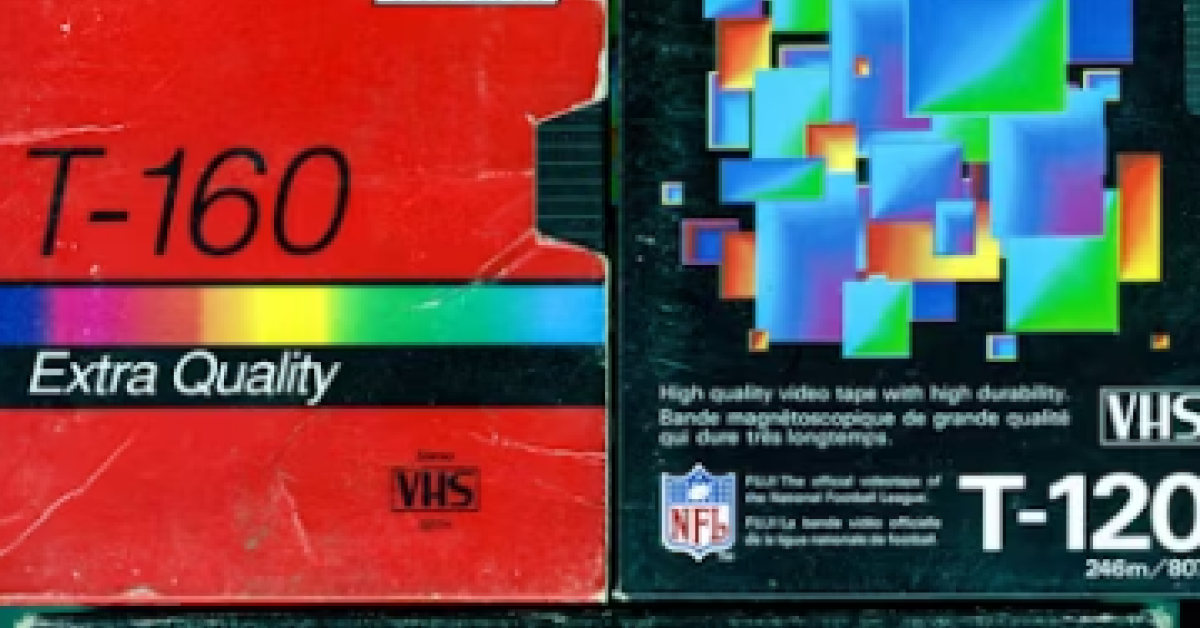
- Analog Meets Digital: Many designers mix scanned textures, VHS distortions, or film grain overlays with 3D renders. The contrast creates a hybrid aesthetic — tactile yet futuristic.
The Psychology Behind the Comeback
At its core, the resurgence of retro-futurism is psychological. After years of global uncertainty — pandemics, climate anxiety, digital overload — people are seeking comfort in art that feels optimistic and human again. The bright hues and utopian visuals of retro-futurism offer a form of visual escapism.
According to design psychologist Marlene Ruiz, “Retro-futurism reminds us of a time when the future still felt exciting. It reignites the idea that technology could be playful, not just practical.” This sentiment has become a powerful emotional driver in branding and entertainment design, where audiences crave optimism wrapped in nostalgia.
How Brands Are Adopting Retro-Futurism
From global tech companies to indie fashion labels, brands are rediscovering the charm of retro-futurism. For some, it’s a strategy to stand out in an oversaturated minimalist landscape. For others, it’s a storytelling opportunity — a chance to link innovation with heritage.
For example, a European automotive brand recently launched a campaign using holographic typography inspired by 1980s concept cars. Meanwhile, digital agencies are reviving synthwave-inspired palettes for music festivals and product launches. Even social media interfaces are experimenting with retro-style UI microinteractions, blending nostalgia with next-gen motion design.
Retro-Futurism in Digital Media and Motion Design
The movement is particularly strong in digital and motion design. 3D artists are using glowing grids, lens flares, and atmospheric depth to create cinematic visuals reminiscent of old sci-fi films but rendered with modern software. Animations pulse with synth-inspired soundtracks and geometric light transitions that echo the rhythm of analog music.
In UX design, retro-futuristic cues are making a subtle appearance through micro-animations, nostalgic sound effects, and layered interface depth — a small rebellion against the flat, minimalist interfaces that have dominated the past decade.
The Role of AI in Shaping the New Retro-Future
Ironically, AI has become one of the main engines driving the retro-futurist revival. Tools like generative image models allow artists to reimagine old concepts with modern precision — creating surreal worlds that look hand-painted yet algorithmically enhanced. The result is an aesthetic that feels familiar but impossible to replicate manually.
Designers use AI not to replace their creativity but to expand it. The nostalgic charm of retro-futurism becomes even more powerful when filtered through futuristic technology — a perfect metaphor for the movement itself.
From Niche to Mainstream
What began as a small creative niche on digital art forums has now become a mainstream trend influencing branding, advertising, web design, and even product packaging. Tech companies are revisiting the visual optimism of early internet culture — bold typography, radiant gradients, and space-inspired illustrations that invite curiosity rather than fear.
Meanwhile, fashion and entertainment industries are embracing the same visual language. Streaming platforms feature retro-futuristic title sequences; music videos blend 3D animation with VHS filters. The aesthetic has become a cultural bridge — connecting generations through shared imagination of “the future that never was.”
What Retro-Futurism Says About Us
Retro-futurism’s unexpected comeback isn’t just a style shift — it’s a reflection of collective emotion. It tells us that in 2026, society is yearning for creativity that’s optimistic, tactile, and imperfect. We are tired of sterile perfection. We want to dream again — not just about technology, but about humanity’s place in it.
And so, designers around the world are turning neon back on, polishing chrome letters, and painting galaxies once more. Because maybe, just maybe, the best way to design the future is to remember how we used to imagine it.