
Design Thinking Secrets From World-Class Creators
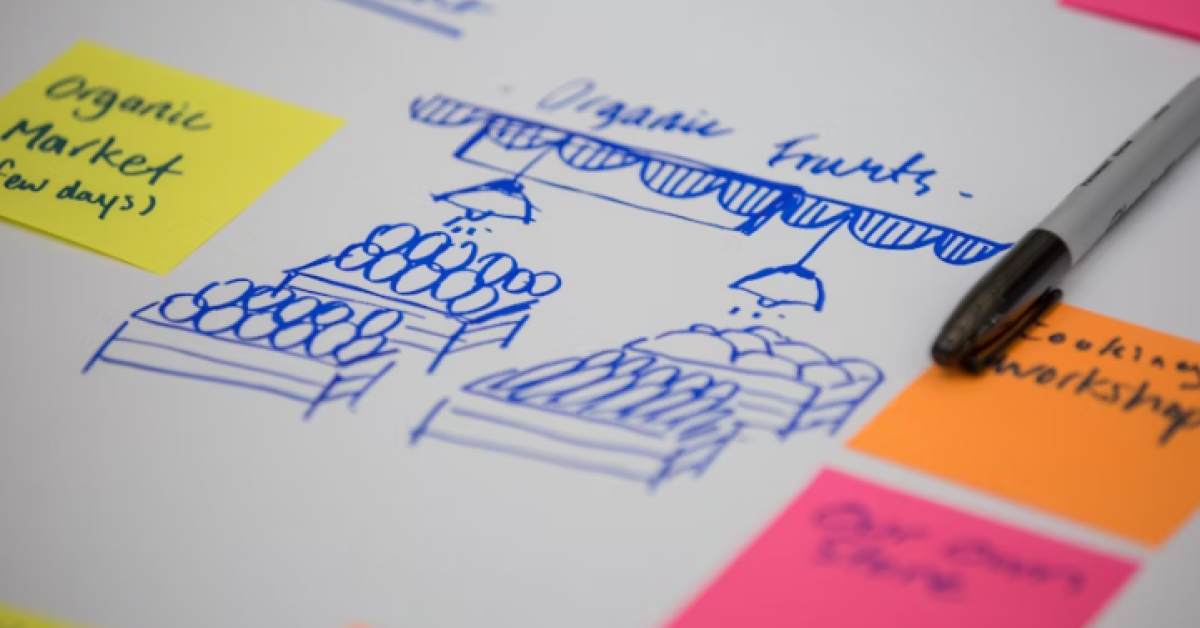
Business Innovation Design Workshop March 2016- FORTYTWO-unsplash.com
Design Thinking Secrets From World-Class Creators
When you watch a world-class designer work, it can feel almost magical. Sketches come alive. Ideas flow freely. Problems dissolve into elegant solutions. But behind that effortless creativity lies something much more structured — a quiet discipline known as design thinking.
It’s not just a buzzword whispered in startup offices or design schools. Design thinking has become a universal mindset — a way of approaching problems with empathy, imagination, and experimentation. And the best creators in the world have turned it into their creative compass.
The Human Side of Design
“You cannot design for people if you don’t understand them,” says Tim Brown, former CEO of IDEO, the design firm that helped popularize design thinking. At the heart of this method lies empathy — the ability to step inside someone else’s experience.
World-class creators don’t start with what they want to make; they start with what people need. They observe, listen, and ask uncomfortable questions. What frustrates users? What makes them smile? Why do they behave the way they do? Every insight becomes a thread that leads toward innovation.
Empathy, in many ways, is the raw material of creativity. Without it, design becomes decoration. With it, design becomes transformation.
The Power of Curiosity and Reframing
Design thinkers share a childlike curiosity — not just about how things work, but why they fail. Instead of accepting a problem as it’s presented, they reframe it. “The problem is never the problem,” says Jony Ive, Apple’s legendary designer. “It’s the way we look at it.”
Reframing turns obstacles into opportunities. A clunky interface becomes a chance to simplify. A frustrated user becomes a guide toward clarity. This mental flexibility separates great creators from good ones. They don’t seek the right answers — they seek better questions.
Iteration: The Art of Imperfection
One of the best-kept secrets of design thinking is how comfortable top creators are with being wrong — repeatedly. They sketch, prototype, test, fail, and repeat. Failure isn’t a verdict; it’s data.
IDEO’s design rooms are famous for their messy walls filled with sketches and sticky notes — evidence of ideas in motion. In this chaos, something powerful happens: patterns emerge. The weak ideas die early, and the strong ones evolve through constant feedback.
As Paula Scher of Pentagram once said, “You can’t be serious at the beginning of the design process. The serious part comes later.” The best designers allow play to lead the way before precision takes over.
Collaboration: Creativity as a Team Sport
World-class creators understand that brilliance rarely happens in isolation. Whether it’s a design studio in San Francisco or a startup in Tokyo, the process thrives on collective energy. In design thinking, collaboration isn’t about consensus — it’s about collision. Diverse minds challenge each other until a stronger idea survives.
That’s why design teams often include psychologists, engineers, anthropologists, and storytellers. Every perspective adds a new layer of depth. Creativity, after all, is a conversation — not a monologue.
The Secret Ingredient: Storytelling
Design thinkers know that even the most beautiful idea means little if it can’t be understood. That’s where storytelling steps in. A prototype might show how something works, but a story reveals why it matters.
World-class designers don’t just design products; they design narratives. Think of how Apple doesn’t sell gadgets — it sells a vision of simplicity and human connection. Or how Airbnb turned “renting someone’s home” into “belonging anywhere.” These stories don’t just describe a product; they shape culture.
Lessons From the Masters
What do all these creators have in common? Not a shared aesthetic, but a shared mindset — one that values people, process, and patience. Here are some takeaways from their creative philosophies:
- Start with empathy: Every design problem is a human problem first. Step into your user’s shoes before sketching a line.
- Stay curious: Ask “why” until you reach the root of the problem. Surface-level answers rarely inspire meaningful change.
- Prototype relentlessly: Don’t wait for perfection. Build fast, learn fast, refine fast.
- Collaborate widely: Invite voices unlike your own. Innovation often comes from outside your comfort zone.
- Tell the story: Great design connects emotionally. Use narrative to give your work purpose and meaning.
Beyond the Buzzword
Design thinking has been adopted everywhere — from global corporations to small classrooms. But for true creators, it’s not a framework or a checklist. It’s a philosophy of life. It teaches us that empathy fuels understanding, curiosity sparks invention, and iteration leads to growth.
In the end, design thinking isn’t just about how to make things better. It’s about how to think better — about the world, about others, and about ourselves.
Because the real secret?
The world’s best creators don’t think like designers. They think like humans — endlessly curious, deeply empathetic, and always willing to begin again.