
Tips Designers Use To Boost Creative Output Fast
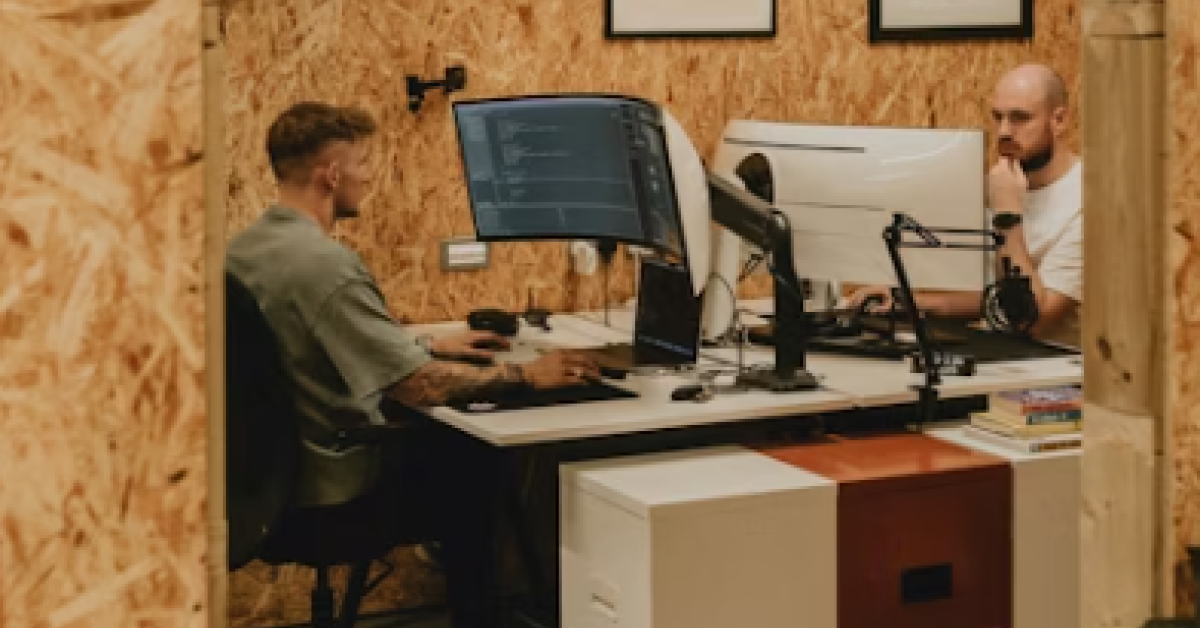
two-men-working-in-a-modern-shared-office-space-Paolo Resteghini-https://unsplash.com/
Tips Designers Use To Boost Creative Output Fast
Every designer knows the weight of a blank canvas. The cursor blinks, time ticks, and the client deadline looms. Yet somehow, some designers consistently produce brilliant work — fast. Their secret isn’t just talent; it’s a rhythm of disciplined creativity built from years of trial and intuition.
Start With Constraints, Not Freedom
Ironically, freedom can stall creativity. Designers who thrive under pressure know that boundaries create focus. Limiting color palettes, grid systems, or typography options forces clearer decisions and faster execution. Creativity loves clarity.
The Power of Timeboxing
Top creatives often use timeboxing — setting fixed intervals for specific design tasks. It transforms vague “work sessions” into productive sprints. By confining time, they expand efficiency.
Visual Brainstorming Over Verbal Planning
Words can overcomplicate ideas. Many designers start with sketches — messy, instinctive, fast. This visual chaos often sparks unexpected connections. A quick thumbnail on paper can evolve into a breakthrough interface later on screen.
- Use rapid moodboard sessions (10–15 minutes).
- Combine unrelated references for hybrid inspiration.
- Prototype before overthinking layout precision.
Refuel the Mind with Cross-Discipline Inputs
Creative exhaustion often hides behind repetition. Designers who stay inspired look beyond design itself — photography, architecture, cinema, even nature. Every visual field carries a rhythm that can influence layout, balance, and storytelling in subtle ways.
Music as a Design Tool
Sound shapes focus. Many designers use specific playlists for flow — ambient tones for ideation, upbeat rhythms for execution. The tempo of a track can unconsciously dictate the tempo of creation.
Collaborate Early, Not Last
Feedback is fuel, not friction. Involving peers early in the process prevents tunnel vision. It turns solitary creation into dialogue, where ideas evolve rather than stagnate. Collaboration accelerates clarity.
Repetition Is Refinement, Not Rework
Speed doesn’t mean skipping quality. Designers who deliver quickly understand iteration — each draft brings the final product closer, not further away. They see rework as rhythm, not regression.
The Unspoken Habit
Behind every fast designer lies consistency: showing up, experimenting, and accepting imperfect starts. Creativity rewards movement, not hesitation. The faster you begin, the faster brilliance finds you.