
Design Psychology: How Colors Manipulate Human Emotion
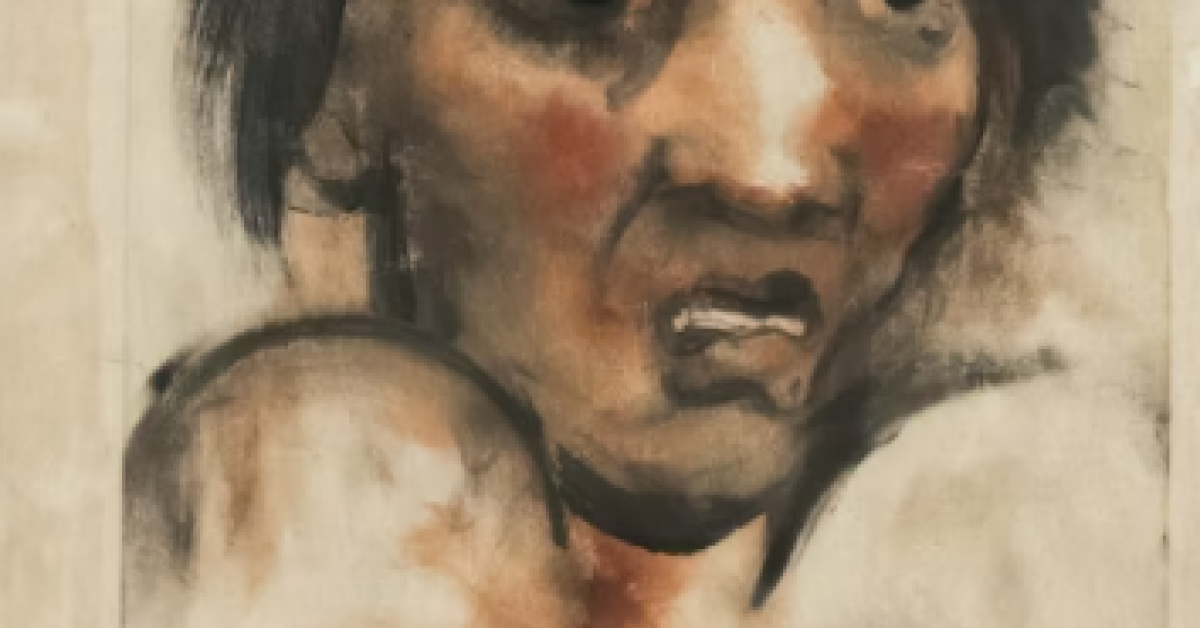
Monotüüpia - Europeana, Creator: Wiiralt, Eduard (autor)-unsplash.com
Design Psychology: How Colors Manipulate Human Emotion
When you walk into a room painted soft blue, your heartbeat slows. When you scroll through a website bathed in fiery red, your attention sharpens. Color, though often seen as decoration, is one of design’s most powerful psychological tools. It doesn’t just decorate — it directs, persuades, and sometimes even manipulates the human mind.
The Hidden Language of Color
Color is the first thing the human brain registers before form or text. Within milliseconds, we form judgments: trust, excitement, comfort, danger. Designers, knowingly or not, wield color like a language — one that bypasses logic and speaks straight to emotion.
A deep navy can signal authority and reliability, which is why financial institutions favor it. Warm orange tones feel friendly and energetic, fueling tech startups and creative agencies. Even minimal black-and-white palettes carry meaning — sophistication, luxury, and clarity.
In a world oversaturated with visuals, the designers who master emotional color storytelling hold the power to move audiences not just aesthetically, but psychologically.
Red: The Color of Power and Impulse
No color commands attention quite like red. It’s the hue of blood, passion, danger, and urgency. Marketers use it to provoke quick reactions — think of clearance sales, fast-food signs, or social media notifications.
- Energy & Appetite: Red increases heart rate and hunger, which is why it dominates restaurant branding.
- Urgency & Attention: It’s often used for “Buy Now” or “Limited Offer” buttons to spark instant decisions.
- Emotionally Charged: Red evokes intensity — love or anger, courage or fear — depending on the context.
The danger, of course, is overuse. Too much red can overwhelm or exhaust the viewer, turning energy into anxiety. Balance, as nature teaches us, is everything.
Blue: Calm, Trust, and Digital Dependability
While red screams for attention, blue quietly earns trust. It’s the color of sky and sea — vast, dependable, and calming. In digital spaces, blue is the go-to for stability and confidence, which explains why giants like Facebook, Twitter, and LinkedIn bathe their platforms in it.
- Psychological Impact: Blue lowers stress and boosts concentration.
- Corporate Identity: Ideal for industries needing reliability — banking, tech, and healthcare.
- Emotional Tone: Cool blues convey professionalism, but too much can feel distant or sterile.
Designers often combine blue with warmer tones to humanize it — a touch of orange or yellow to bring approachability without losing authority.
Yellow: The Spark of Optimism
Yellow is the color of sunlight, hope, and clarity. It’s psychologically linked to happiness and creativity, stimulating mental energy and enthusiasm. Brands like IKEA and McDonald’s use yellow to radiate warmth and accessibility — a smile in color form.
But yellow is tricky. In large doses, it can strain the eyes and induce anxiety. The key is subtlety: used sparingly, it highlights optimism; overdone, it overwhelms.
Green: Harmony and Growth
If blue represents calm and red represents energy, green sits perfectly between them — balance. It’s the color of renewal, nature, and growth. Psychologically, it restores and refreshes, which is why it’s used in wellness, sustainability, and financial sectors.
- Natural Connection: Associated with health and ecology.
- Balance & Prosperity: Evokes stability and wealth — both emotional and material.
- Design Use: Works as a visual “rest” between intense colors, offering harmony.
In digital design, green is also the universal symbol of affirmation — the “go” in a sea of visual signals.
Purple: The Psychology of Creativity and Mystery
Long associated with royalty and spirituality, purple carries a complex duality. It stimulates imagination while maintaining a sense of luxury and mystery. Creative brands often embrace purple to stand out in a sea of predictable palettes.
Its balance between fiery red and calming blue makes it emotionally rich. It whispers elegance but shouts innovation — a rare trait in color psychology.
Black, White, and the Power of Absence
In a world obsessed with color, the absence of it can be the most powerful statement. Black represents control, power, and sophistication. White symbolizes purity, space, and honesty. Together, they form the timeless backbone of minimalist design.
These neutral tones are emotionally versatile. Black can ground a brand’s identity, while white allows breathing room — a visual pause that brings clarity amid chaos.
How Designers Harness Emotional Color
The best designers don’t simply pick colors they like; they choose colors that feel. Every hue in a composition plays a psychological role, shaping how users perceive a message, interact with a product, or remember a brand.
- Context Matters: The same color can evoke different emotions across cultures.
- Contrast Creates Focus: Strategic color contrast guides attention and hierarchy.
- Consistency Builds Trust: A unified palette strengthens brand recall and emotional continuity.
The Future of Color Psychology in Design
As technology advances, color psychology is evolving beyond static design. Adaptive color systems—those that change tones based on user mood, light, or time of day—are redefining emotional design experiences. The future will not just display color; it will respond to emotion.
Imagine an app that shifts from calming green to energizing orange as your productivity changes, or a website that dims to blue hues when you’ve scrolled too long. Emotion-driven design is not science fiction—it’s the next natural step.
Conclusion
Color is not decoration; it’s conversation. It speaks in psychological tones, crafting silent emotional narratives that shape how we feel, think, and act. Whether through a single button, a campaign, or an entire brand identity, designers who understand color psychology don’t just create visuals—they create experiences.
So next time you find yourself drawn to a product, a logo, or even a room, pause for a moment. That pull you feel might not be coincidence. It might just be the color speaking to you.