
Design Principles That Make People Instantly Trust You
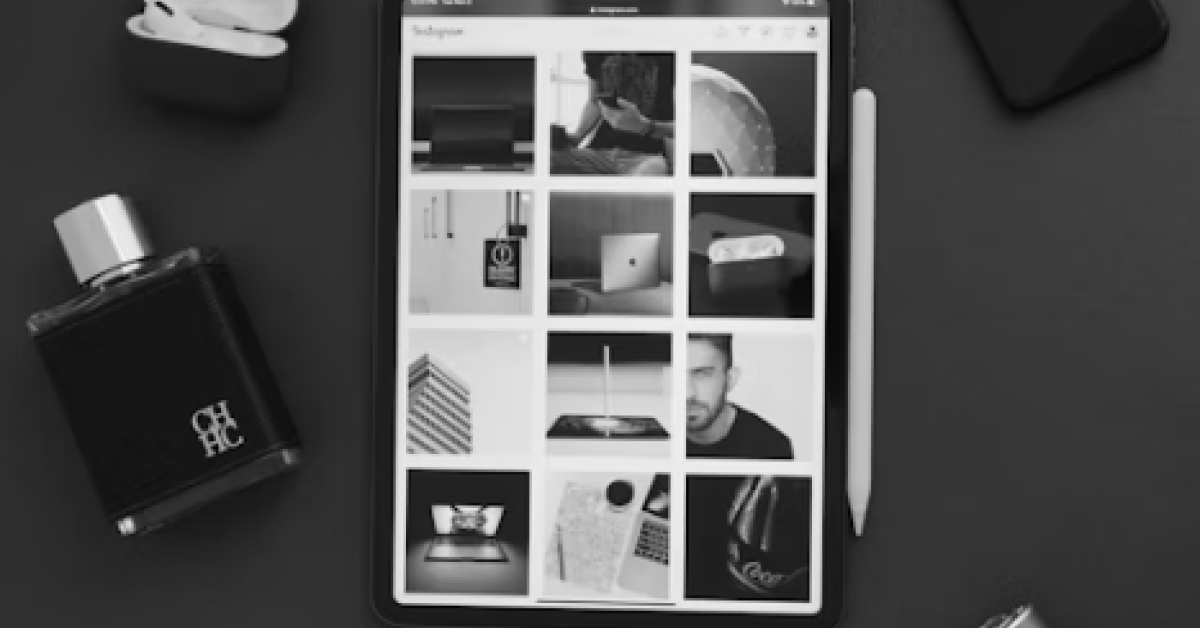
What’s in your tech bag?- Shahrouz Nikpoush-https://unsplash.com/
Design Principles That Make People Instantly Trust You
In the crowded digital world, trust is no longer built through long-term familiarity alone. Today, people make decisions about credibility within seconds — often before reading a single word. A website’s first impression, a product’s layout, or even a logo’s curve can determine whether someone chooses to stay or leave. Behind this split-second judgment lies a series of design principles that quietly shape how we feel about what we see.
The Psychology Behind Trust in Design
Trust in design begins with visual cues that the brain interprets subconsciously. Clean lines, balanced symmetry, and consistent color palettes are more than aesthetic choices — they signal reliability and professionalism. When a design feels stable, our mind associates it with competence and safety.
People don’t just respond to visuals; they respond to how those visuals make them feel. The warmth of color, the rhythm of spacing, and the clarity of structure all combine to communicate honesty or chaos, authority or uncertainty. Every element silently speaks the brand’s character.
Principles That Inspire Instant Credibility
1. Clarity Before Creativity
Audiences trust what they understand. While artistic expression can make a design memorable, clarity ensures it’s believable. A design that communicates its purpose immediately invites comfort and confidence.
2. Consistency Builds Familiarity
Consistent visual patterns create recognition. When a brand uses the same typography, spacing, and tone across all platforms, users perceive it as dependable. Consistency mirrors reliability, and reliability is the foundation of trust.
3. Human-Centered Visuals
Designs that reflect human emotion — through imagery, warmth in tone, or approachable typography — foster connection. When users see themselves in a brand’s message, they subconsciously extend trust.
4. Simplicity Over Complexity
Cluttered layouts signal confusion, while minimalism conveys control. Designers who remove unnecessary decoration allow core messages to shine. Trust grows where effort to understand is minimal.
The Role of Color and Typography in Building Trust
Color psychology plays a subtle but powerful role. Blue suggests security and calmness, green conveys growth and balance, while neutral tones provide a sense of honesty and openness. Typography works similarly — a clean sans-serif font may express modern transparency, while a serif font can convey timeless authority.
- Blue: Reliability and integrity
- Green: Balance and renewal
- Black and white: Simplicity and honesty
- Soft tones: Approachability and warmth
The Silent Language of Details
Even the smallest design decisions — micro-interactions, button shapes, or the tone of copywriting — play into the perception of trust. Smooth transitions and responsive elements suggest care and precision. Users sense when details are intentional, and intentionality feels safe.
When Design Reflects Empathy
Empathetic design communicates that a brand values the user’s experience more than its own aesthetic ego. Accessibility, legibility, and emotional tone create a user experience that feels respectful. In the end, people don’t just trust design; they trust the people behind it.